
Tin or Glass Bottle? Tips for Storing Olive Oil Correctly

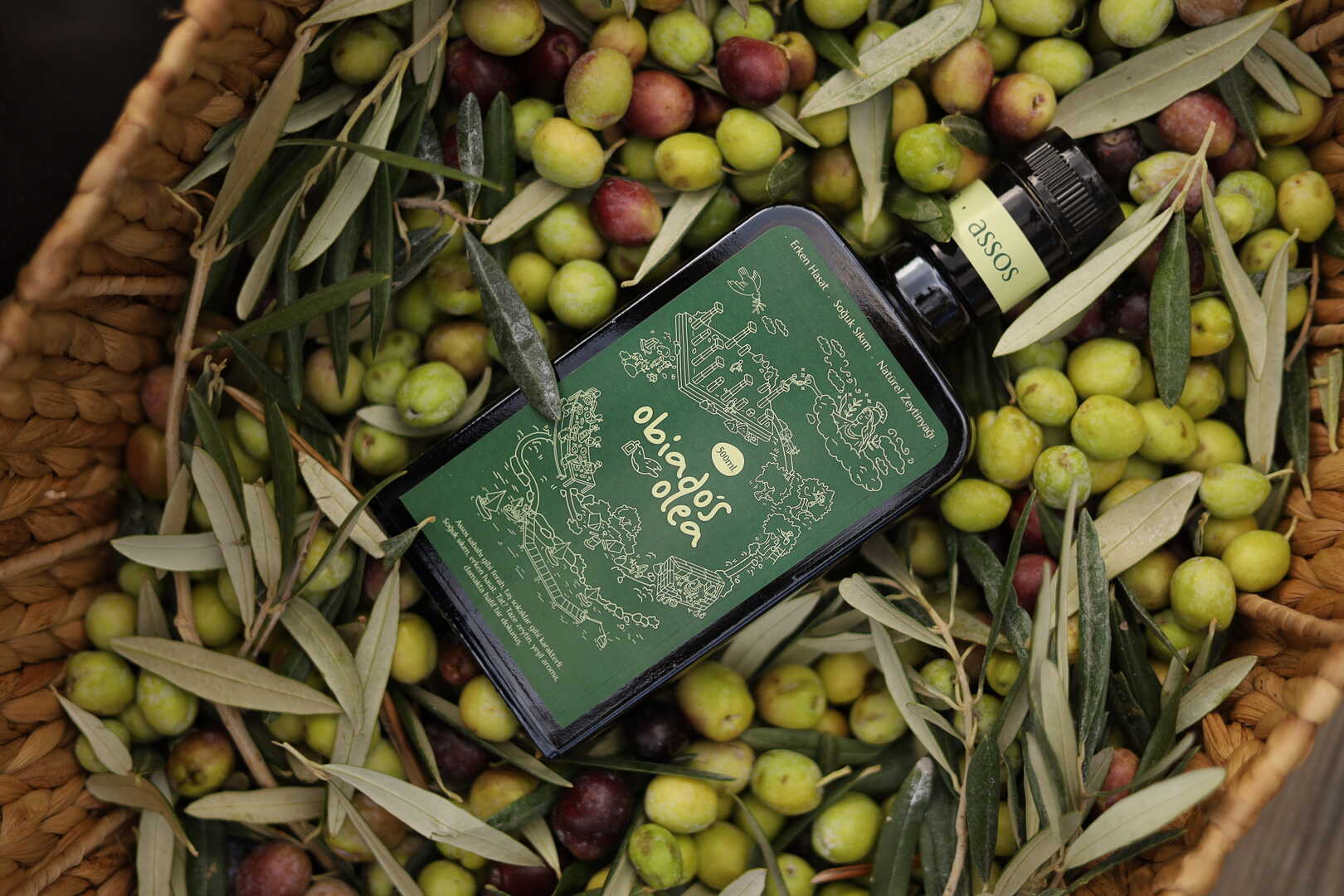
The Delicate Nature of Olive Oil and the Importance of Storage
Olive oil is easily affected by factors such as light, air (oxygen), heat, and time. Especially cold-pressed olive oil, produced at low temperatures, preserves its phenolic compounds, antioxidants, and aromatic structure. However, these valuable components can rapidly deteriorate under incorrect storage conditions.
Incorrect packaging choices can lead to the following problems:
- Deterioration of taste and aroma due to oxidation
- Color change
- Decrease in nutritional value
- Bitterness and staleness
Therefore, a high-quality early harvest olive oil can quickly lose its character if not protected with the right packaging.
Why is Tin Olive Oil Preferred?
Tin, one of the most common packaging types in the olive oil industry, stands out especially for large-volume use. Particularly, 5-liter tin olive oil options are preferred for their economic and protective properties.
1. Complete Protection Against Light
Tin packaging is opaque. This completely prevents UV rays, one of olive oil's biggest enemies, from reaching the oil. Light accelerates oxidation in olive oil, leading to quality loss.
2. Reduces Contact with Oxygen
Tin containers usually have a tight lid system. This minimizes the oil's contact with air. As contact with oxygen decreases, the shelf life of olive oil extends.
3. Economical and Safe for Large Volumes
Especially 5-liter tin olive oil offers both a cost advantage and is ideal for long-term use. It is a very practical solution for home users, restaurants, and professional kitchens.
4. Less Affected by Heat
Tin transmits external temperature more slowly than glass. This reduces the negative effects of sudden temperature changes on olive oil.
Why is Glass Bottle Olive Oil Important?
Glass bottles are often preferred for premium segment early harvest cold-pressed olive oil products. However, the color and quality of the glass are important here.
1. Light Control with Dark-Colored Glass
Although clear glass bottles look aesthetic, they are not ideal for olive oil. Therefore, quality producers use dark green or brown glass. These glasses largely filter out the harmful effects of light.
2. No Chemical Interaction
Glass is a neutral material. This means it does not chemically react with olive oil, preserving the oil's natural aroma and purity.
3. Ease of Use
Glass bottles are very practical for daily use. Especially glass bottle olive oil, frequently used in the kitchen, allows for controlled pouring and offers ease of use.
4. Premium Perception and Presentation
Especially for boutique and high-quality cold-pressed olive oil products, choosing glass bottles enhances the product's premium perception. This is an important advantage for brand value.
Differences Between Tin and Glass Bottles
Both packaging types protect olive oil when used correctly. However, the preference may change depending on the purpose of use.
Tin olive oil:
- Ideal for long-term storage
- Economical for large volumes
- Maximum protection against light
Glass bottle olive oil:
- Practical for daily use
- Aesthetic and premium appearance
- Provides good protection if the color is correct (dark)
The most correct method is to store olive oil in large tin containers and transfer it to a dark glass bottle for daily use.
Why is Early Harvest Olive Oil More Delicate?
Early harvest olive oil is obtained from olives that are not yet fully ripe. These oils:
- Contain higher antioxidants
- Have a more intense aroma and bitterness
- Are more valuable because they are produced with lower yield
These characteristics also mean a more delicate structure. This means early harvest oils can deteriorate much faster under incorrect storage conditions. Therefore, packaging selection becomes even more critical here.
Cold-Pressed Olive Oil and Storage Relationship
Cold-pressed olive oil is obtained by pressing at temperatures below 27°C. This method preserves the natural structure of the oil. However:
- It is more sensitive to heat
- It is more quickly affected by light and oxygen
Therefore, cold-pressed olive oil must be stored in appropriate packaging. Tin and dark glass bottles are the two most suitable options here.
Tips for Storing Olive Oil Correctly
Storage conditions are as important as packaging. Even the best tin olive oil or glass bottle olive oil loses value in the wrong environment.
Things to consider:
- Store in a cool place: The ideal temperature is between 14–18°C
- Keep away from sunlight: Avoid direct light exposure
- Close the lid tightly: Minimize contact with oxygen
- Do not keep near the stove: Heat changes degrade quality
- Divide into smaller bottles: Instead of frequently opening and closing large packaging, separate for daily use
Advantages of Using 5L Tin Olive Oil
Especially for families and heavy consumers, 5L tin olive oil is very advantageous. The main reasons for this are:
- Long-term stock possibility
- More affordable unit cost
- Less packaging waste
- Better preservation of quality
However, it is important to transfer from the tin to a small glass bottle for direct use, rather than using directly from the tin.
Importance of Packaging Selection for Brands
For an olive oil brand, packaging is not just protection but also a communication tool. Consumers form their first impression of product quality through the packaging.
Correct packaging selection:
- Preserves product quality
- Increases brand reliability
- Supports premium perception
- Enhances customer satisfaction
Therefore, a high-quality early harvest cold-pressed olive oil must always be presented with the right packaging.

